Skip to product information
1 of 2
Brazil

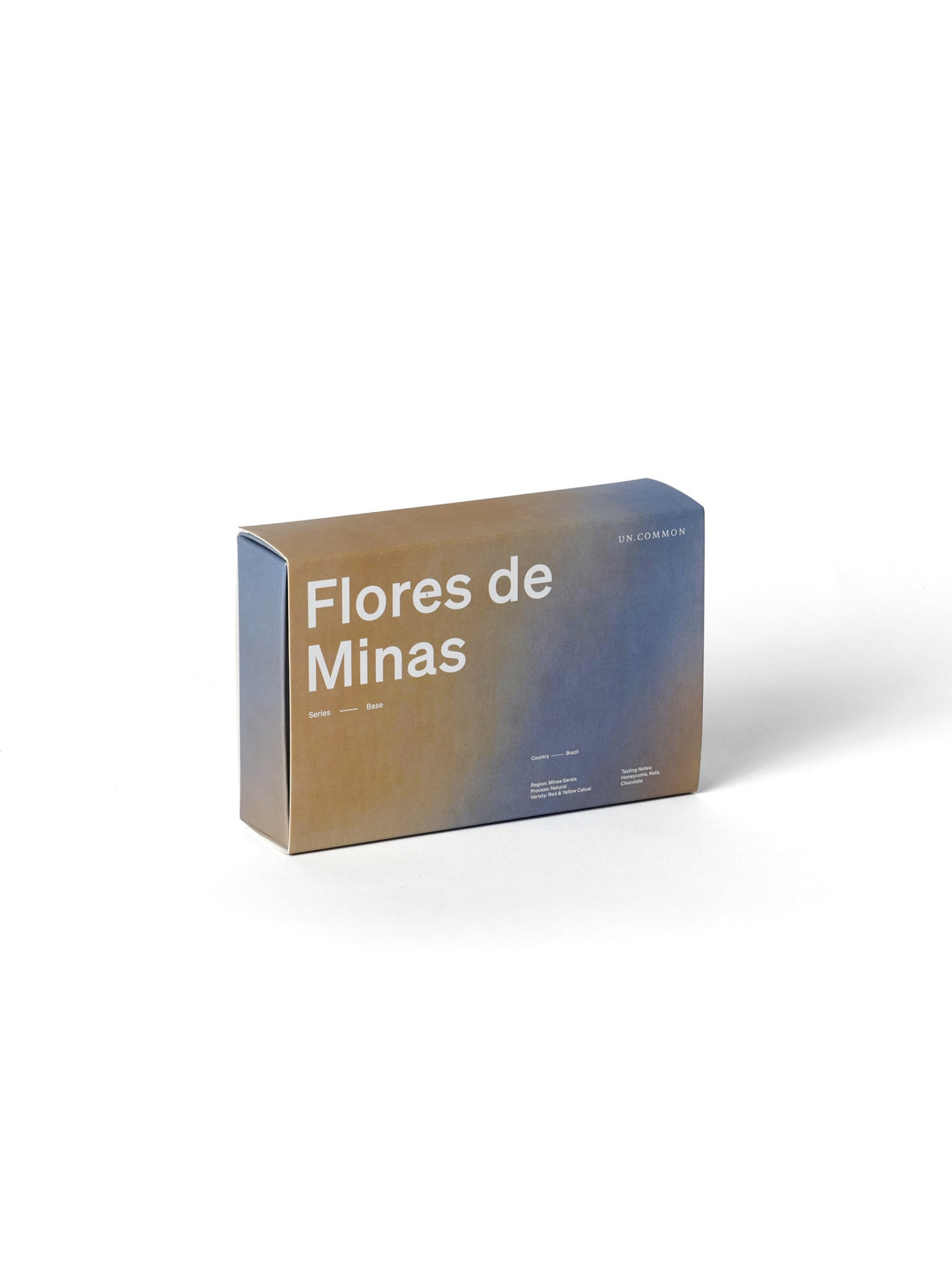
Flores de Minas

Flores de Minas means 'flowers of Minas' and is a collective lot from multiple female producers in the Sul de Minas region. It comes by way of SMC’s Women of Coffee initiative, named 'Donas do Café'. The women are given a platform to sell their coffee collectively and gain space in the specialty coffee market, and are given agricultural training and vocational support to lead a successful business. This coffee is a true crowd-pleaser tasting like honeycomb, nuts, & chocolate.

Red and Yellow Catuai
Natural
Regular price €13,00
Regular price Sale price €13,00
Sale Sold out
Quantity
Brazil
Brazil

The farms behind this lot are spread across Minas Gerais, Brazil, at elevations ranging from 975 to 1,200 metres above sea level. As Brazil’s largest coffee-growing region, Minas Gerais produces up to 30 million bags of coffee each year. Flores de Minas brings together Red and Yellow Catuai varieties, both crosses of Mundo Novo and Caturra. Grown across these different elevations, the coffee reflects its origins in a region where coffee cultivation is deeply rooted in the landscape.

Flores de Minas is a collective lot from female coffee producers in Sul de Minas, Brazil, who are members of SMC’s Donas do Café initiative. The group brings women together to grow high-quality specialty coffee and create a stronger presence in the specialty coffee market. Through SMC, the producers receive agricultural support and training, with close attention to everything from soil nutrition and plant health to selective picking and post-harvest practices. This ongoing support helps the producers refine their techniques, improve quality year after year, and develop their businesses.

Through SMC’s Donas do Café initiative, female coffee producers receive agricultural training and support to improve coffee quality and develop their businesses. By bringing their coffee together as a collective lot, they can access the specialty coffee market and gain greater visibility for their work. This collective approach helps strengthen the position of women producers within the coffee industry.